

Tag: drug test

Employers are asking about oral fluid drug testing options, but why now?
Even though oral fluid drug testing has been around for more than 2 decades, many employers are taking it seriously for the first time.


The silent threat: Unmasking the hidden risks of colorectal cancer in the workplace
Employers are uniquely positioned to address gaps in care. One gap that organizations should not ignore is colorectal cancer screening.

Optimizing workforce wellness: the synergy of population health, access to care, and drug testing solutions
The integration of population health and workforce drug testing solutions marks a significant stride for comprehensive employee well-being.

Marijuana drug testing changes in California and Washington: How the new laws affect employers
Employers in California and Washington face important decisions on marijuana drug testing based on new laws which went into effect in 2024.
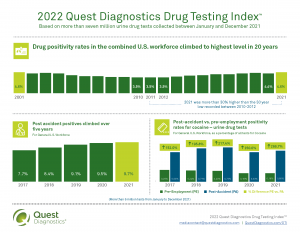
How to use the Quest Diagnostics Drug Testing Index™ to make important drug-free workplace decisions
The DTI has practical application when considering the best options for a drug-free workplace drug testing program.

What Every Employer Should Know About State Drug Testing Laws: Part 2
Not every state has a drug testing law, but most have workers’ and unemployment compensation regulations with drug testing laws language.

What Every Employer Should Know About State Drug Testing Laws: Part 1
Employers have many questions about drug testing, That’s in part because no 2 state drug testing laws are exactly alike.
Why test for marijuana?
Here are 4 critical questions every employer should be asking when it comes to maintaining a safe and healthy drug-free workplace.

Oral Fluid Drug Testing and Emerging Technologies
Oral fluid testing remains an important part of a drug-free workplace program with many benefits from the form of collection to industry-wide appeal.

Navigating drug testing in the great resignation
It's more important than ever for employers to offer competitive hiring processes to find the best possible employees for their workplace.


