

Tag: DOT

Old Federal CCFs… Now what?
All U.S. Department of Transportation (DOT)-mandated drug test collections will require a new Custody and Control Form. Find out what you need to do to be prepared for the fast-approaching change.

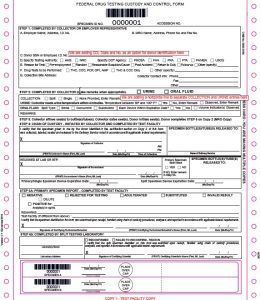
New Federal CCF coming soon
SAMSHA/OMB have requested public comments to revisions of the current Federal CCF for workforce drug testing. However, Quest anticipates a one-year implementation period for continued use of the form and will help prepare clients for the switch.

Alcohol use and the workplace
Alcohol testing can help employers make decisions to help keep their employees safe and can help determine whether an individual is impaired from alcohol.

FMCSA increases random drug test rate
The rate for random drug testing for FMCSA increased from 25% of the average number of driver positions to 50% effective January 1, 2020. Random testing helps to deter drug use because it is conducted on an unannounced basis.

New oral fluid guidelines for Federal testing
SAMHSA published scientific and technical guidelines for the inclusion of oral fluid specimens in federal testing. Find out what employers need to know.

Random testing rates for 2019
The US Department of Transportation agencies and the Coast Guard publish their annual minimum drug and alcohol random testing rates for 2019.

Ask the Experts: DOT 5-panel drug test regimen
If you do the math, the DOT 5-panel drug test regimen requires confirmation testing for a total of 14 drugs. Is there a new name for the drug test?

DOT random rates unchanged
The US Department of Transportation announced that the minimum annual drug testing rate for 2018 will remain at 25% and the alcohol rate will remain at 10%.

Clarifying the changes in federal workplace drug testing & documentation
Changes to the federal drug testing panel and paperwork are forthcoming, but for now you should continue testing as usual.

By the Numbers: Random drug testing data
The FMCSA random rate is only a minimum standard and employers can elect to test at a greater rate. Examine your program and consider the risks.


